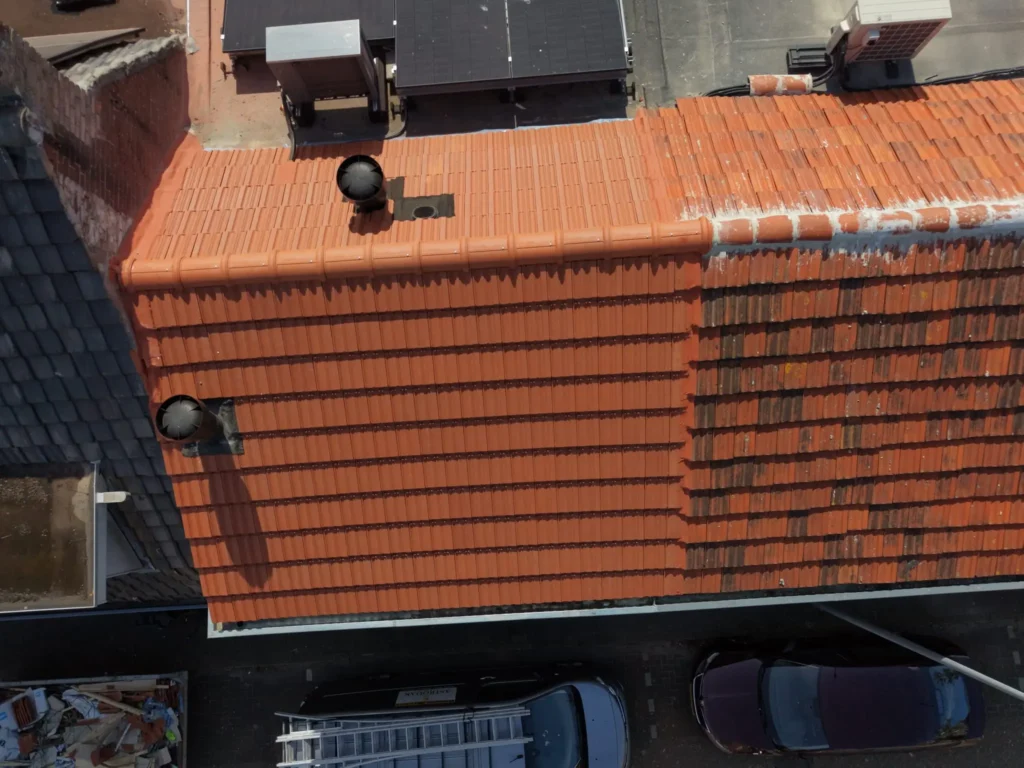
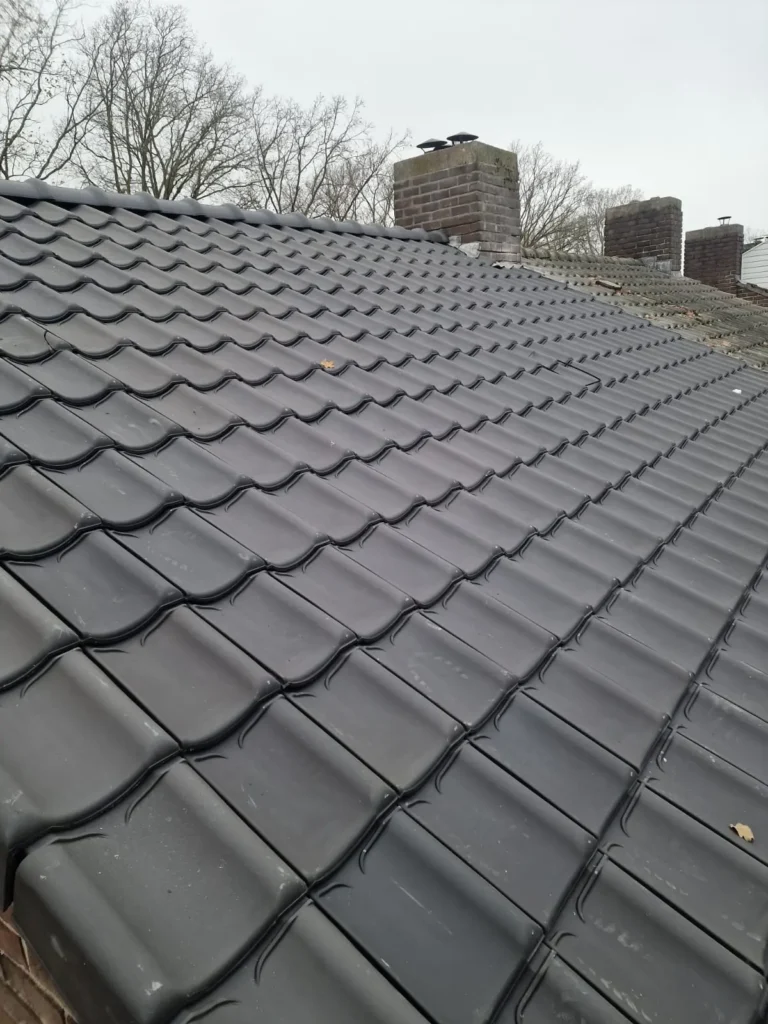
This is one of the questions where the honest answer goes against what you expect. Your tiles are almost never the problem. I have opened up roofs where the tiles were still so good after sixty years that they could simply go back on, while everything underneath had to be replaced.
That is also good news, because it means a forty-year-old roof does not automatically need a completely new roof. See
relaying roof tiles.
What does decide the lifespan of your roof
The tiling battens and counter battens. The timber the tiles hang on. After thirty to fifty years, battens have often gone soft at the fixing points or started to sag. Then the tiles no longer lie flat. See
tiling battens and counter battens.
The membrane. The underlayer that carries water that gets behind the tiles to the gutter. Older membranes crumble and tear. Then water that gets past the outer rain screen reaches the boarding.
The lead and zinc work. Often the first part to reach the end of its life and the most common source of leaks on pitched roofs.
“Your tiles are not worn out. The timber they hang on is, and you cannot see that from the ground.”
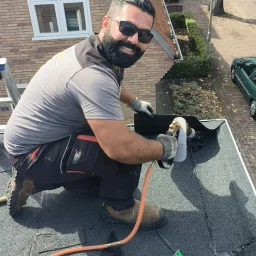
Fouad, owner of Astrodak Service
When the tile itself is worn out
There are two situations. The first is porosity: a tile that absorbs water instead of shedding it breaks in frost and when it is lifted. That happens to concrete tiles sooner than to ceramic ones. See
recognising porous roof tiles.
The second is mechanical damage: hairline cracks from frost, crumbled edges, or tiles damaged by people walking on them carelessly. On a roof that has been walked on a lot without a roof ladder, you see this as a trail of damaged tiles.
Ceramic tile
50 years or more
lifespan
Tiling battens and membrane
Have it checked before it becomes a job
Most of the damage I repair was still a small fix a year earlier. Have your roof checked with no obligation and you will know exactly where you stand.
Why this matters for your decision
Because it decides whether you relay a roof or replace it. Relaying means: tiles off, battens, counter battens and membrane renewed, the same tiles back on. You save the whole cost of the tile material and get a roof with a fresh substructure.
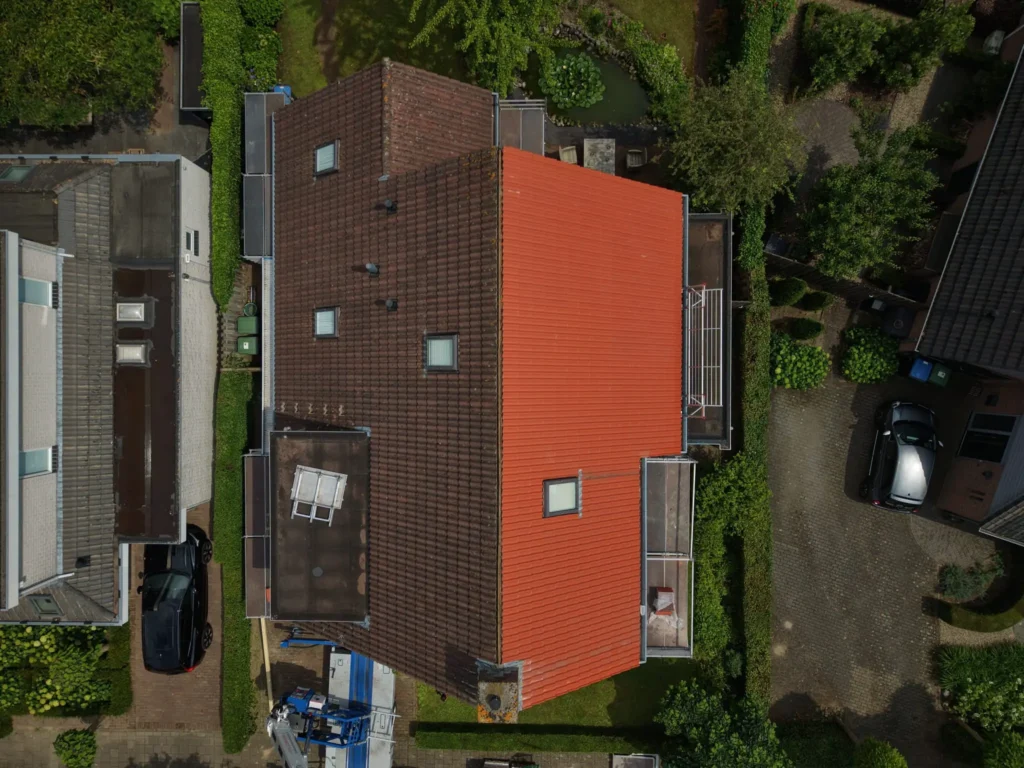
That is only possible if the tiles are not porous and the model is still available for the five to ten percent that break when they are lifted. On an old roof with a discontinued model, relaying is risky, because you could end up with a roof in two colours.
How to establish the condition of your roof
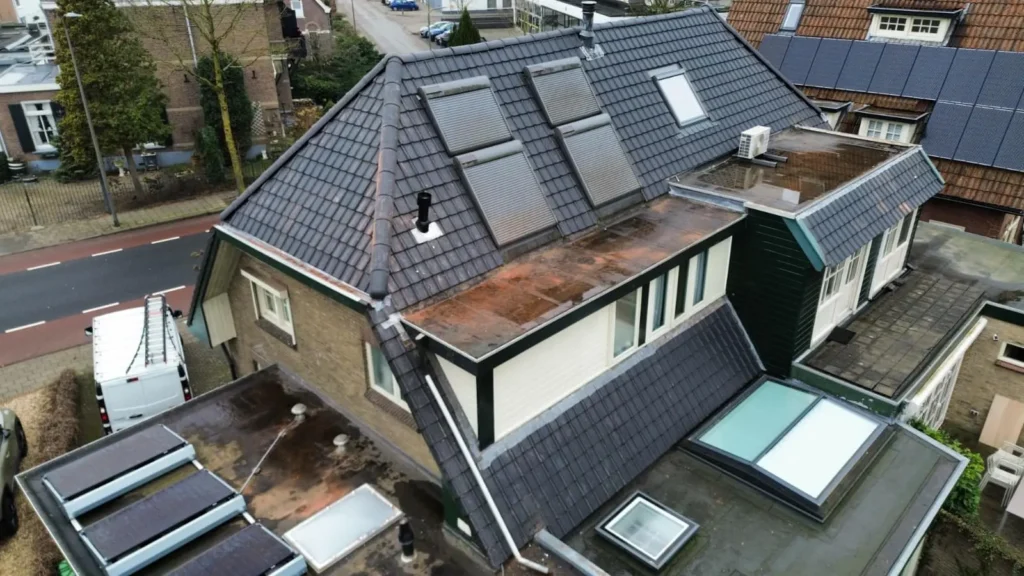
Not from the ground and not from a drone photo, because the four things that decide it are all under the tiles. What does work: looking at the underside of the boarding in the attic, and lifting a few tiles on the roof to assess the battens and membrane.
That is exactly what I do during an inspection, and it takes half an hour. The outcome is then one of three things: you can wait for years yet, you can relay, or the roof needs doing completely. See
repair or replace and
free roof inspection.
What to ask when buying a house
With a house that has a roof of thirty years or older, the most useful question is not how old the roof is but what has been done to it and when. Have the tiling battens ever been renewed, has the lead work been replaced, has there ever been a leak and where? Invoices for that work say more than the year of construction.
If that information is missing, a roof inspection before the purchase is a sensible investment. The difference between a roof that will last another fifteen years and a roof that needs replacing in three years is an amount that belongs in your negotiation.
Frequently asked questions about the lifespan of roof tiles