This is a subject I cannot be neutral about, and I do not want to be. Not because a coating is always wrong, but because it is almost always offered to people it is not going to help.
Let me start honestly with what a coating does do, because that is not nothing.
What a coating does do
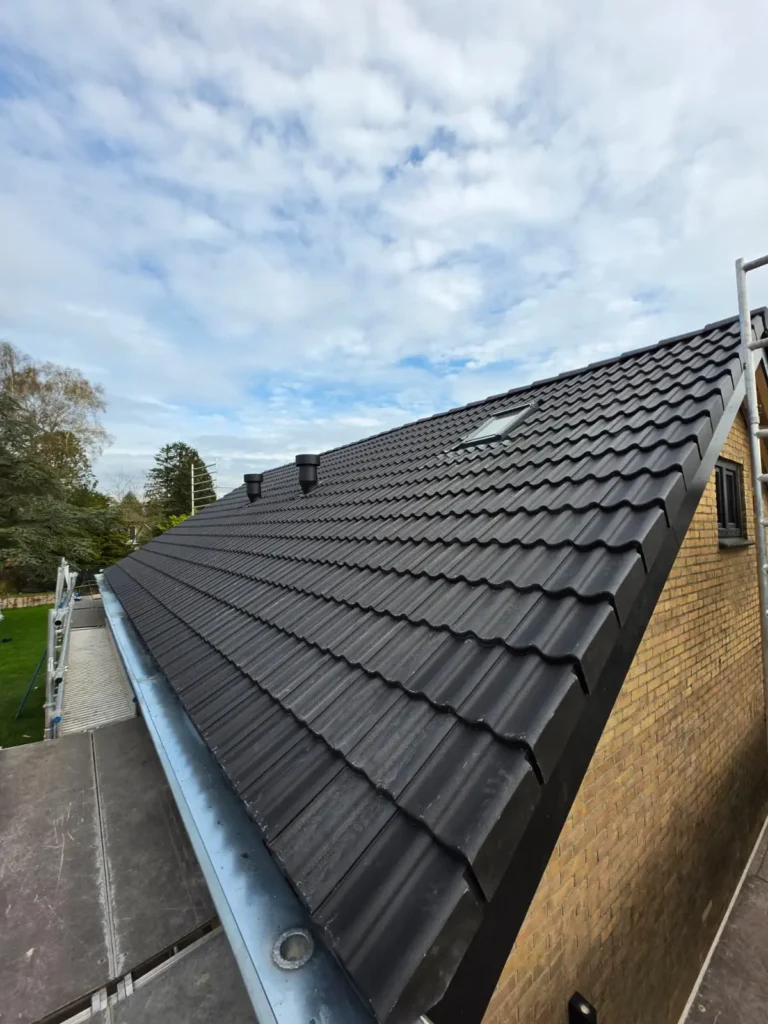
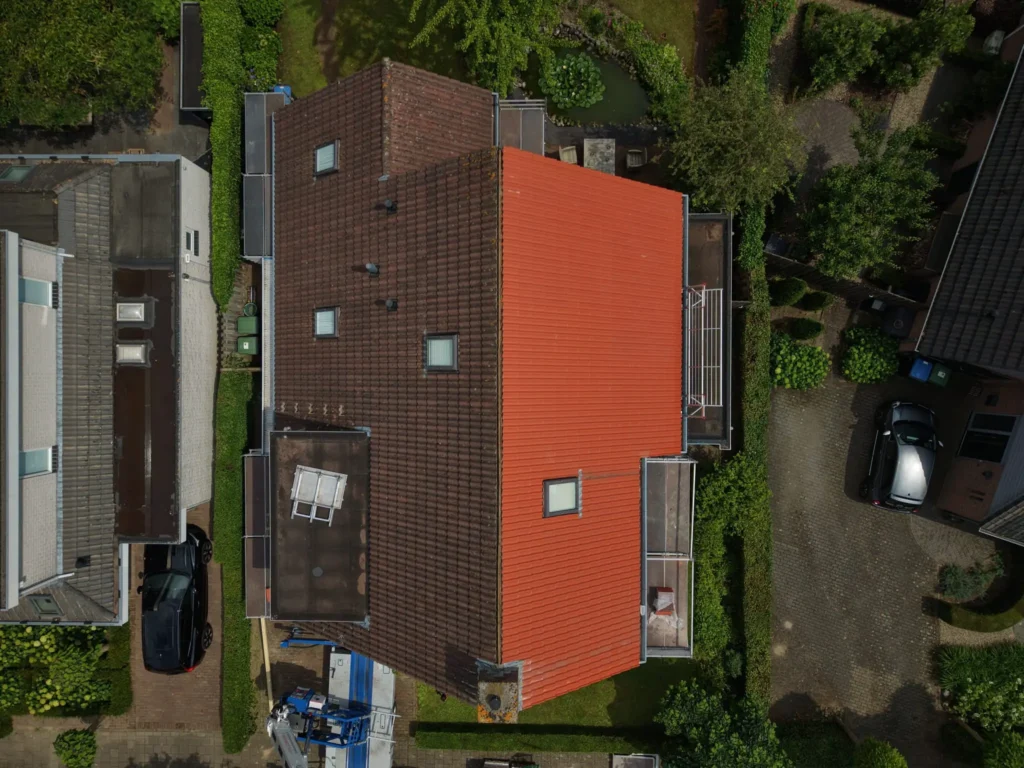
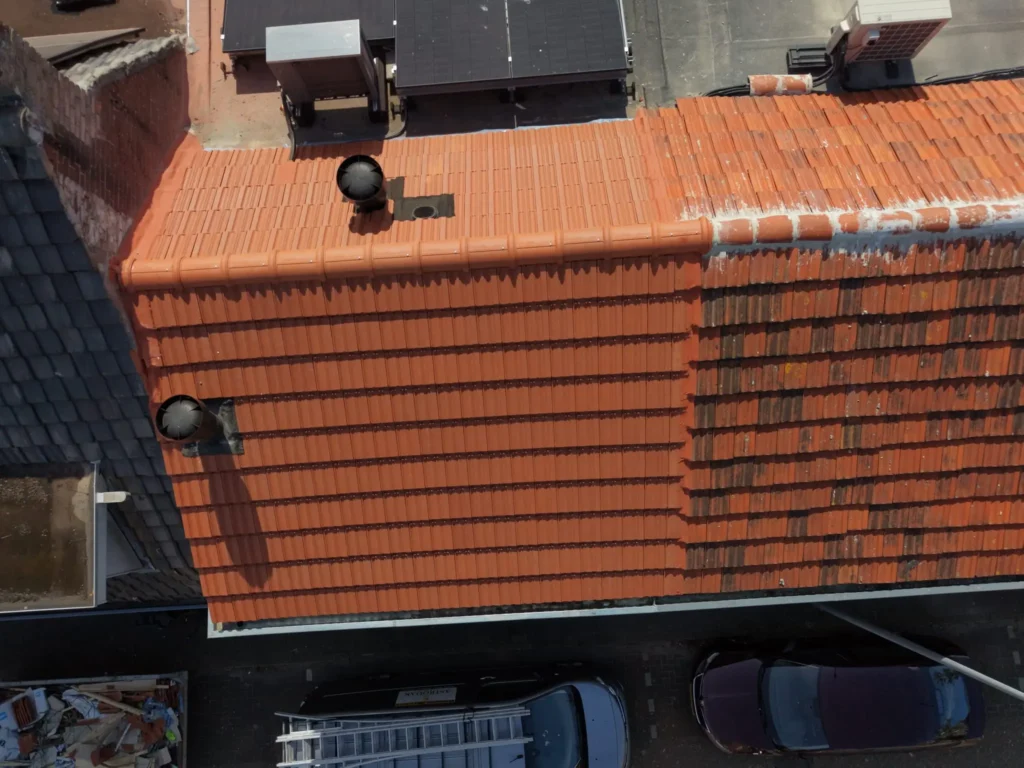
The roof gets clean. Before coating, the roof has to be cleaned. That cleaning is half the visible result: the moss and the dirt are gone.
The colour looks fresh. Weathered, faded tiles get an even, deeper colour again. Seen from the street, that makes a visible difference.
Moss takes hold less quickly. A smoother layer gives moss and algae less grip, certainly in the first few years. On a north-facing side that is noticeable.
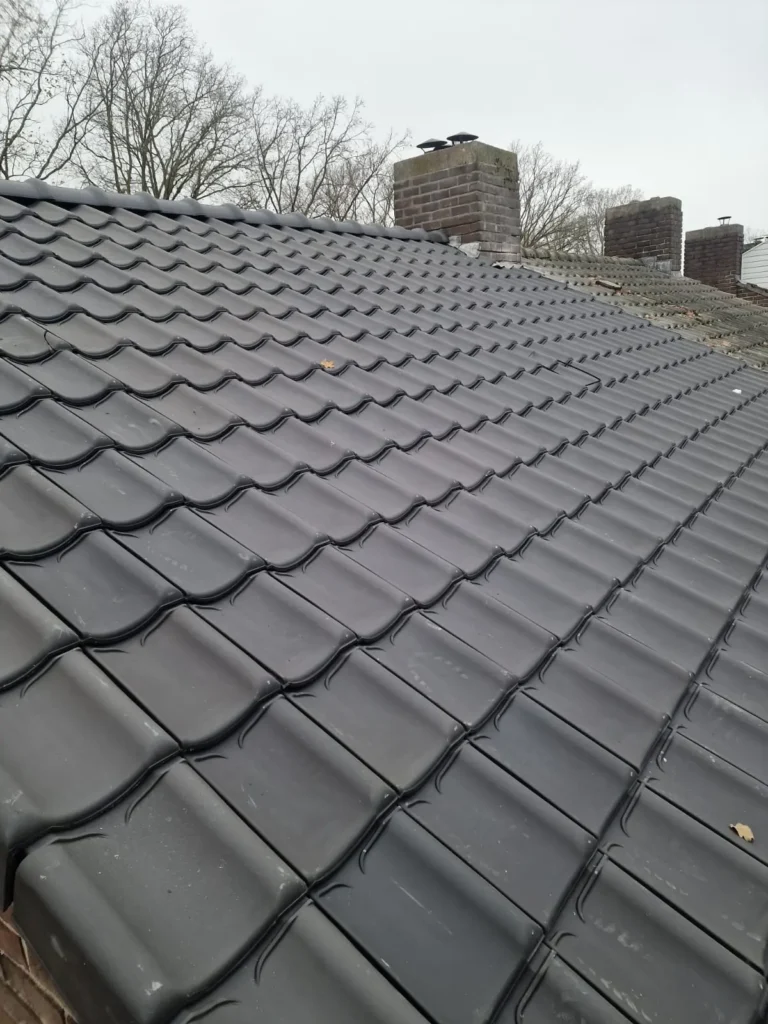
With tiles that are still good, it can add value. On a roof with sound, non-porous tiles that are only cosmetically weathered, a coating can be a responsible choice if you want to improve its appearance.
What a coating does not do
Make a porous tile watertight again. This is the most important one. A tile that absorbs water has that water in the material. A layer over it is more likely to trap that water in than keep it out. See
porous roof tiles.
Extend the life of the structure underneath. Tiling battens, counter battens, membrane and roof boarding determine when your roof is due. A coating does not come close to them. See
the lifespan of roof tiles.
Fix a leak. Leaks are in the lead work, the valley gutter, the ridge and the penetrations. None of these are touched by a coating.
Last for ever. A coating is itself a layer with a limited lifespan, and after ten years or so you face the same choice again.
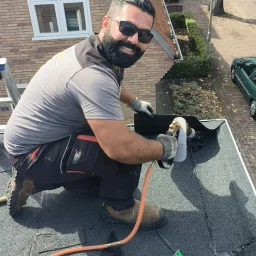
“A coating sells itself on what the cleaning did. The clean roof you see comes from the cleaning, not from the layer on top.”
Fouad, owner of Astrodak Service
Where it goes wrong in practice
The biggest risk is the cleaning beforehand. For a coating to adhere, the roof has to be thoroughly clean, and that is often done with a pressure washer. On weathered tiles, such a jet strips off the top layer, and then the tiles are more porous after cleaning than before. See
roof tiles and the pressure washer.
The second risk is adhesion. If moisture remains in the tile or the surface has not been prepared properly, the coating comes away in places after a few years. A roof with a partly peeling coating looks worse than a weathered roof.
Sound tiles
coating possible
cosmetically worthwhile
Porous tiles
no coating
replace or relay
Not sure about the right approach?
I would rather come and look at your roof with my colleagues first than come up with a solution from a distance. During the free inspection you hear what is really needed, even if that is less than you thought.
The question you should ask
If someone offers you a coating, ask one thing: how has it been established that my tiles are not porous? A good answer mentions that tiles were lifted and examined. An answer about how the roof looks is not an answer to that question.
And ask what happens to the rest of the roof. If the lead work is at the end of its life and the ridge tiles are loose, a coated roof slope above a leaking chimney is no improvement.
What I recommend instead
For a roof with sound tiles that looks bad: careful cleaning without high pressure, plus checking the lead work and the ridge. That gives you most of the visible result and at the same time tackles the places that really matter.
What to ask if you want it anyway
If you still want a coating despite everything, there are three questions that make the difference. How will it be cleaned, and at what pressure? How will it be established that my tiles are not porous? And what happens if the coating comes away in places in five years' time, is that covered by the guarantee?
A provider who gives concrete answers to those three questions knows what they are doing. A provider who brings the conversation back to how nice the roof will look is not answering the question. Also see
guarantees on roofing work.
Frequently asked questions about roof coating