In July this is the question I get most often, usually from people with a bedroom in the attic. And almost always the first thought is a fan or air conditioning, while the problem starts one floor higher.
A dark roof surface in full sun gets considerably hotter than the outside air. That heat travels through the structure to the inside, and without insulation that happens quickly and unhindered.
What really helps
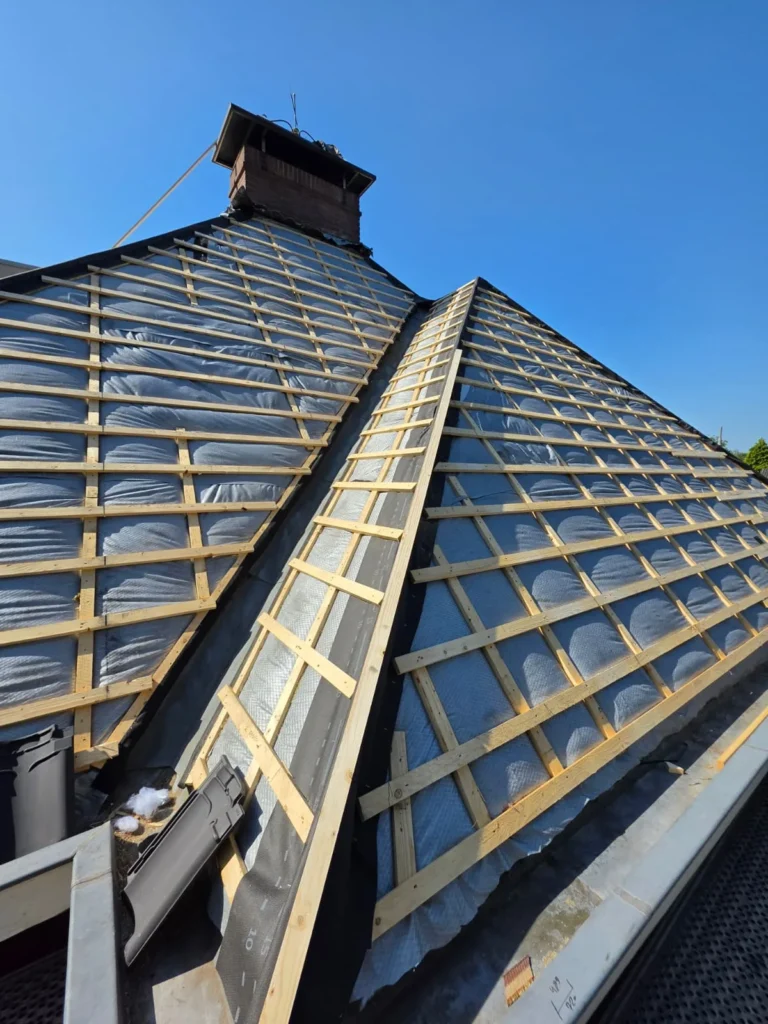
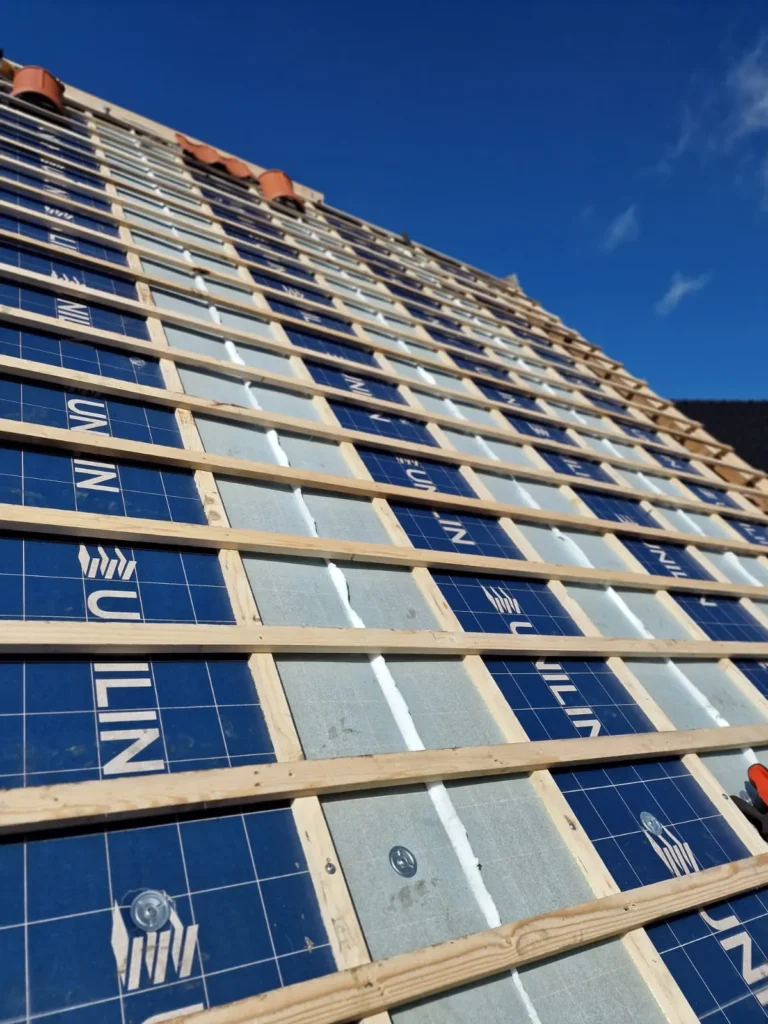
Insulation, and the right kind. Insulation works both ways: in winter it keeps heat in, in summer it keeps it out. Materials with a high heat storage capacity, such as wood fibre, slow down the heat coming in even more, and that is exactly what you want in summer. See
types of roof insulation.
Exterior shading on roof windows. Sun that stays outside does not need to be got rid of inside. Exterior shading is considerably more effective than a blind on the inside, because the glass then does not heat up. See
keeping a roof window cool.
Night ventilation. Let the roof and the structure cool down when it is colder outside than inside, and keep everything shut as soon as the outside air gets warmer. So open at night, closed in the afternoon. That is exactly the opposite of what people do by instinct.
Close the stairs or the hatch. Warm air rises to the attic and stays there. An open stairwell means the heat from downstairs comes up as well.
“Opening windows at the hottest moment of the day is exactly the wrong thing. You are letting the heat in.”
Fouad, owner of Astrodak Service
What helps less than people think
A fan does not cool, it moves air. That feels more pleasant because moisture evaporates from your skin faster, but the temperature of the room does not change. In an attic at thirty degrees, you are blowing thirty degrees around.
Also of limited effect: just adding ventilation grilles in the ridge. That helps with removing moisture and with a moderately warm attic, but against a roof surface that brings in heat all day long it is too little. And interior shading behind the glass lets the glass itself heat up, so the heat still gets into the room.
Insulation
keeps heat out
structural
What does insulating get you in your own house?
The benefit depends on the roof structure, the current insulation and how you use the space. I work it out for you in concrete terms during the inspection, including the grant you are entitled to.
Why the tile colour plays a part
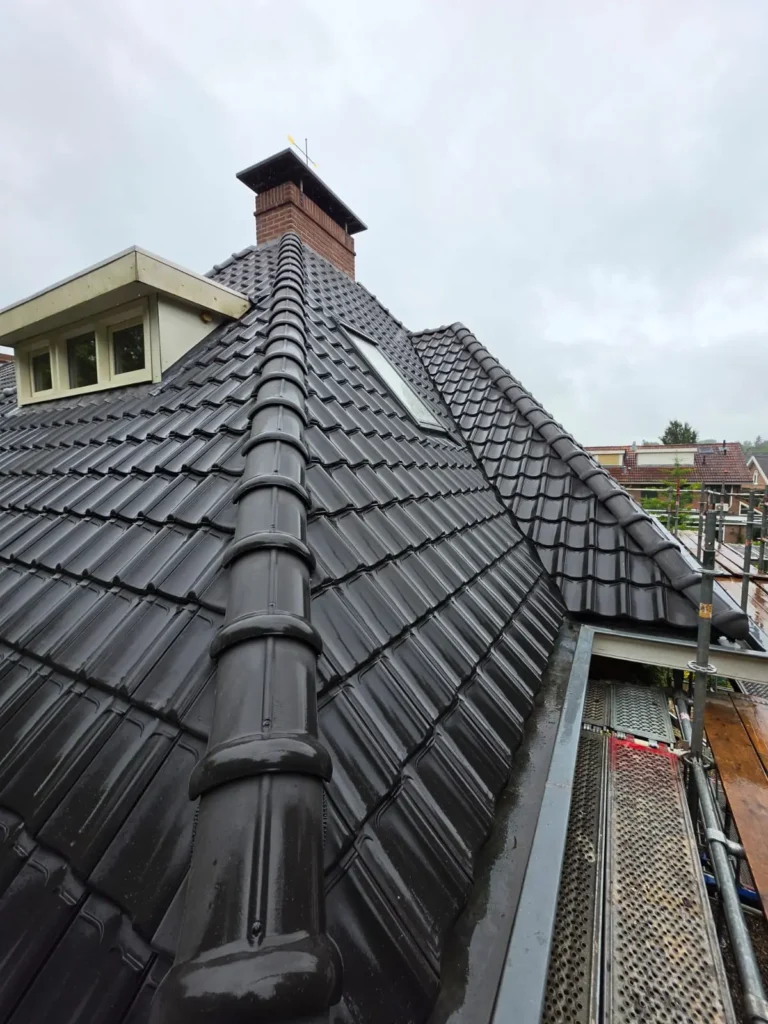
A dark roof surface absorbs more of the sun's heat than a light one. That difference is measurable on the outside of the roof, and it is a reason not to look only at appearance when choosing tiles.
In practice the effect on the indoor temperature with a well-insulated roof is limited, because the insulation does most of the work. With an unfinished roof it is more noticeable. See
types of roof tiles.
The order I recommend
First insulate, then shading on the roof windows, then adjust your habits with night ventilation and keeping the hatch closed. Only once all that is done and it is still not enough does active cooling become a reasonable option. In that order, you invest in something that also pays off in winter.
What the roof pitch and orientation do
A roof slope facing south-west gets the most sun in the afternoon and evening, and that is exactly when heat indoors is least wanted. A roof slope facing east warms up in the morning and cools down again in the afternoon.
That means the same measure achieves more on one side of your house than on the other. If you have a limited budget and two roof windows on different sides, start with exterior shading on the south-west-facing window. See
keeping a roof window cool.
Frequently asked questions about a hot attic