When you have a tiled roof replaced, the choice of model is one of the few decisions you make yourself and will see every day for decades to come. It is also the decision that gets explained the least.
Below are the models you come across most in Brabant, and what the practical difference is.
The models you see most
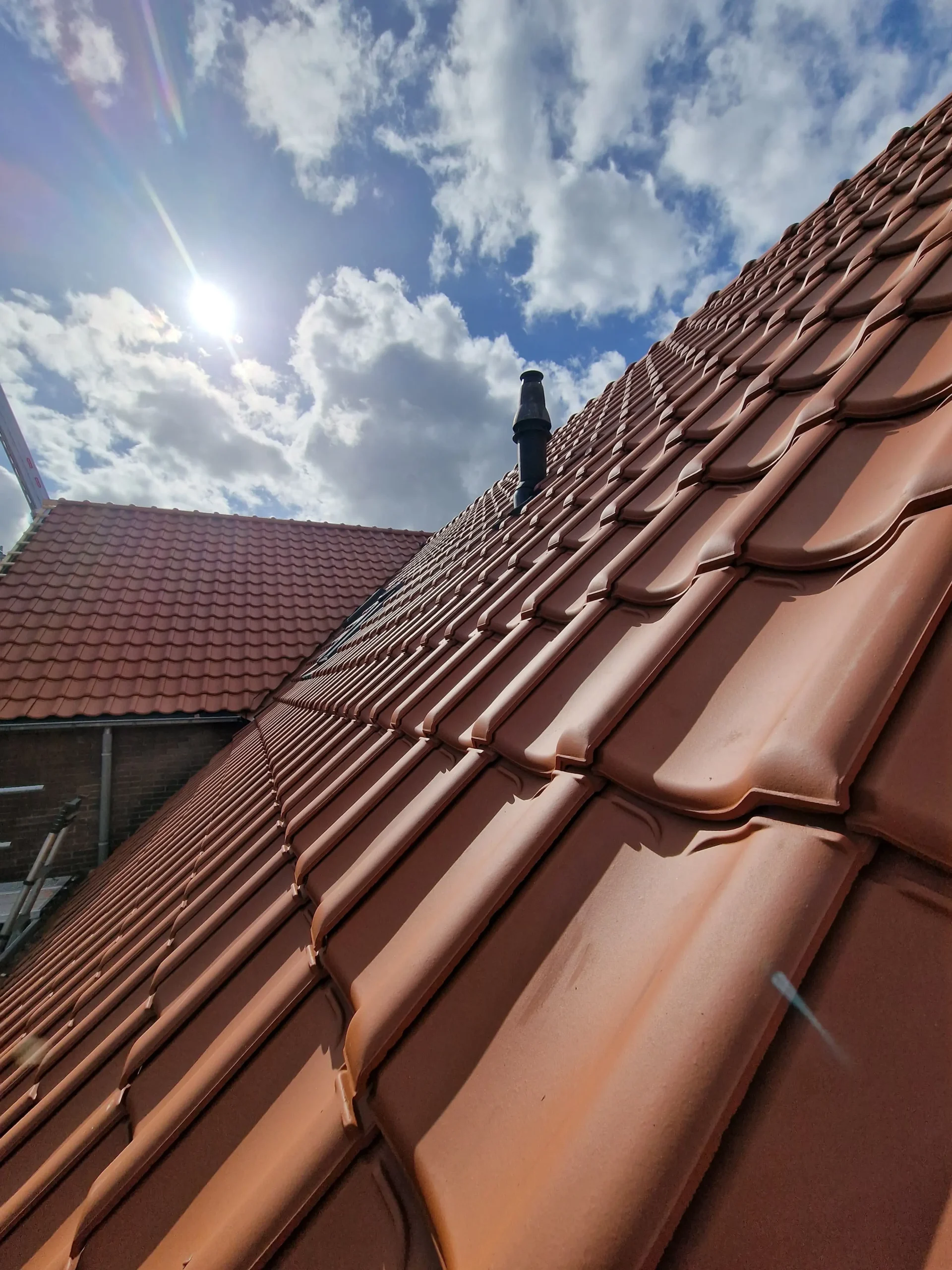
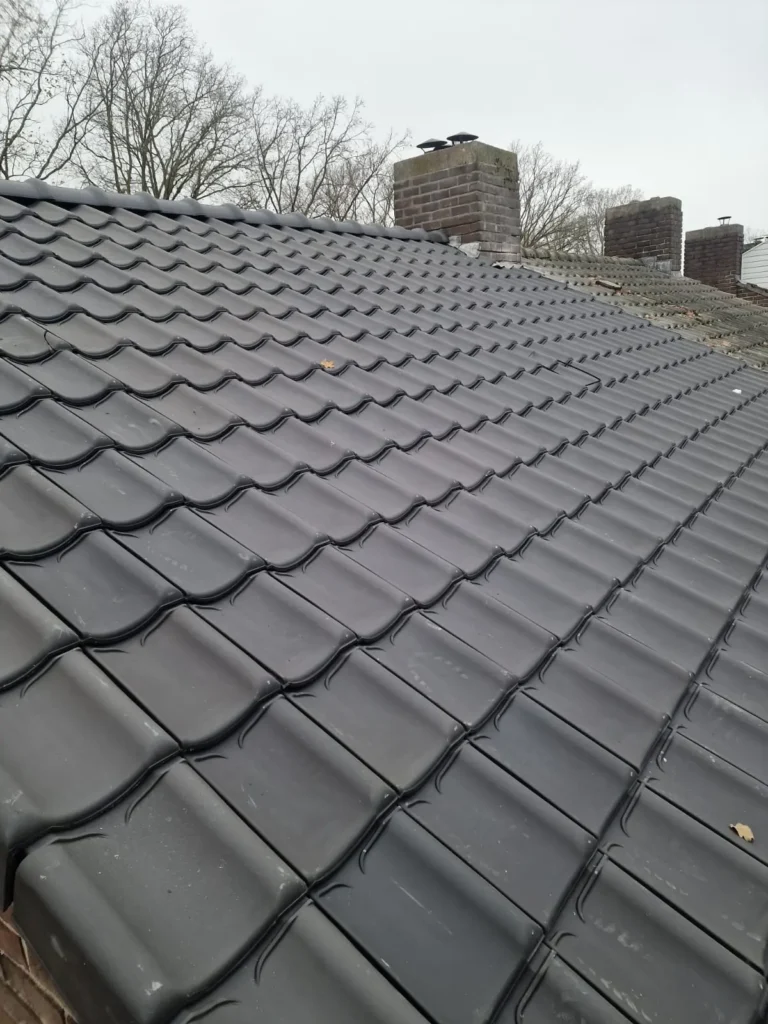
Improved Dutch pantile (OVH). The classic wavy tile found on the vast majority of post-war homes. Reliable, available everywhere and in many colours. If you want to replace an existing roof without changing its look, this is often where you end up.
Mulden tile. Flatter in shape with a single wave, which gives the roof surface a calmer look. Popular for renovations where the house can look more modern without becoming stark.
Flat tile. A tile without a wave, giving an almost smooth surface. Modern and clean-lined, and widely used in new builds and in conversions with a contemporary look.
Large-format tile. A bigger tile, so fewer are needed per square metre. Quicker to lay and therefore cheaper on labour, and available in various shapes.
Slate-look tiles and flat slates. For the look of a slate roof without real natural stone. Needs a steeper pitch and more detailing.
“People choose a tile by colour and only see after completion that the shape changes the whole house. Always lay two models side by side on the roof.”
Fouad, owner of Astrodak Service
The roof pitch determines what is allowed
This is the practical point that sometimes limits the choice. Every tile has a minimum roof pitch at which it still works watertight, because tiles are not a waterproof barrier but a rain shield. If the pitch is too shallow, the water does not run off fast enough and can get behind the tile in driving rain.
Flat tiles and slate-look tiles usually need a steeper pitch than pantiles. So if you have a shallow roof, the choice is smaller than the showroom suggests. On a roof below the minimum pitch for any tile, a sealed underlay is used, and that is a different and more expensive system.
Pantile
shallower roof
more choice
Flat tile
steeper roof
cleaner look
Not sure about the right approach?
I would rather come and look at your roof with my colleagues first than come up with a solution from a distance. During the free inspection you hear what is really needed, even if that is less than you thought.
Glazed, engobe or natural
The finish determines the colour and how the tile ages. A natural ceramic tile is untreated and slowly weathers to a warmer shade. Engobe is a coloured clay layer fired with the tile, giving a matt, even colour. Glazed means a layer of glass, which makes the tile shine and makes it harder for dirt and moss to cling on.
Glazed tiles therefore stay clean for longer, which is a real advantage on a north-facing side with a lot of moss. See
moss on roof tiles.
What you need to know before you choose
Two things. Ask whether the chosen model is in stock, because a specific colour or shape can have a lead time and that determines your planning. And ask whether the model will still be available in ten years, so that if there is damage you can buy a few tiles that do not stand out.
Why you should keep a few tiles back
With a new roof I always ask whether we can leave a small number of tiles behind, for example in the shed or in the attic. That seems excessive, and it is the most useful tip I can give.
If a tile breaks in eight years' time because of a storm or because someone has been on the roof, you will have a tile that matches exactly in model and colour. Without spare tiles that means a search and often a visible difference, because a new tile next to weathered tiles stands out for years.
Frequently asked questions about types of roof tiles