With a new tiled roof, this is the second choice you make, after the model. And it is a choice where the purchase price and the costs over the whole lifespan don't point in the same direction.
Both are good products. It is about which one suits your roof and your plans.
Where ceramic is stronger
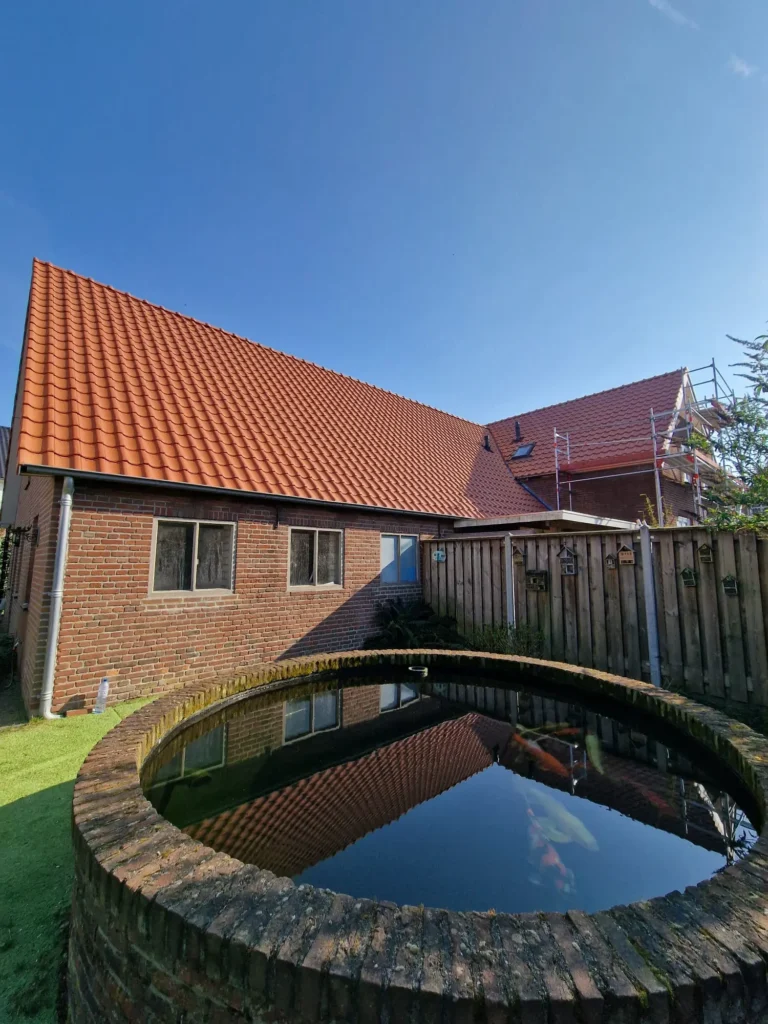
Lifespan. Fired clay is extremely durable. Ceramic tiles often last fifty years and more, and there are roofs in Brabant of a considerably older date that are still in good shape.
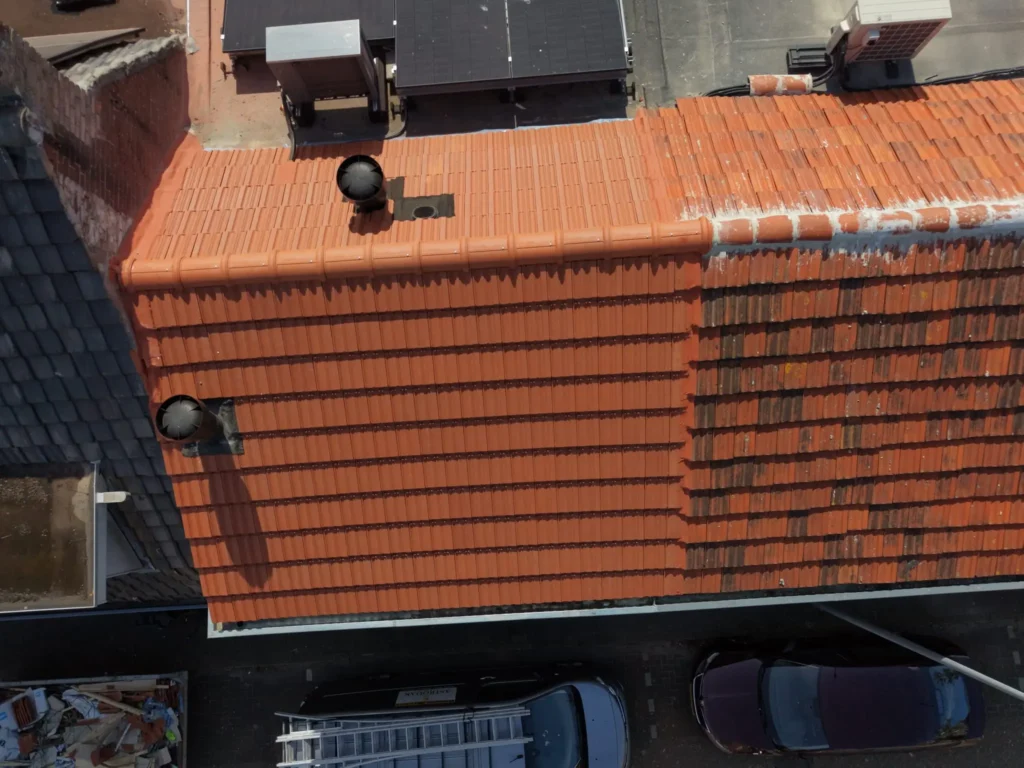
Colourfastness. The colour is in the material or in a fired-on engobe layer. It hardly fades at all. Concrete tiles have a coloured surface coating that weathers over the years and then reveals the grey core.
Less dirt. A denser, smoother surface gives moss and algae less grip. On a north-facing side that is a noticeable difference.
Lighter. Ceramic tiles are lighter per piece than concrete tiles, which can be a real advantage with an older roof structure.
Where concrete is stronger
Price. Concrete tiles are cheaper to buy. On a large roof surface that makes a noticeable difference to the materials cost.
Dimensional stability. Concrete is pressed rather than fired, so the dimensions are very consistent. That makes them pleasant and quick to lay.
Strength under load. A concrete tile is thicker and sturdier and breaks less easily when walked on during work.
Wide choice of shapes. Concrete tiles also come in flat models and quick-laying interlocking tiles, so you are not restricted in appearance.
“On a roof you only want to do once, you choose ceramic. On a shed or an outbuilding, concrete is a sensible choice.”
Fouad, owner of Astrodak Service
Ceramic
50 years or more
lifespan
Not sure about the right approach?
I would rather come and look at your roof with my colleagues first than come up with a solution from a distance. During the free inspection you hear what is really needed, even if that is less than you thought.
The weight and your roof structure
This is the point most often forgotten. Concrete tiles weigh more per square metre than ceramic ones. With a modern roof structure that makes no difference, but with an older structure with slender rafters, choosing concrete can mean a noticeable extra load.
If you are going from ceramic to concrete on an old roof, an assessment of the structure should be part of it. The other way round, from concrete to ceramic, you lighten the roof and you are always fine.
What it means thirty years from now
The difference you see at completion is small: both roofs look neat. The difference after twenty to thirty years is greater. A ceramic roof will then still have almost all its colour and density. A concrete tiled roof is then often visibly weathered, with the grey core showing through where the coating has gone, and with more moss.
Whether that is worth the extra cost depends on how long you will live there and whether the roof is visible. On the front of a house where you want to live for another thirty years, most people choose ceramic. For a garage or a shed, concrete is a fine choice.
What you can tell from your current tiles
On a thirty-year-old concrete tiled roof, the coating has often gone in places and the surface feels grainy. That means the tile is starting to absorb water and relaying will not be an option for much longer. With ceramic tiles of the same age, the surface is usually still intact.
What the choice does to the batten spacing
Every tile has its own coverage size and therefore its own batten spacing. If you switch from concrete to ceramic, or from one model to another, the tiling battens must be set out again to suit the size of the new tile.
That means a tile change is always a job where the roof really is opened up, even if the battens still look fine. Anyone who offers to swap only the tiles on the existing battens is either choosing a tile of exactly the same size or is going to deliver a roof that doesn't close properly.
Frequently asked questions about concrete and ceramic