When you read a quote for roof insulation, you come across three abbreviations that look alike and mean different things. It is worth understanding them properly once, because they determine what you get and whether you qualify for a grant.
Rc, Rd and lambda
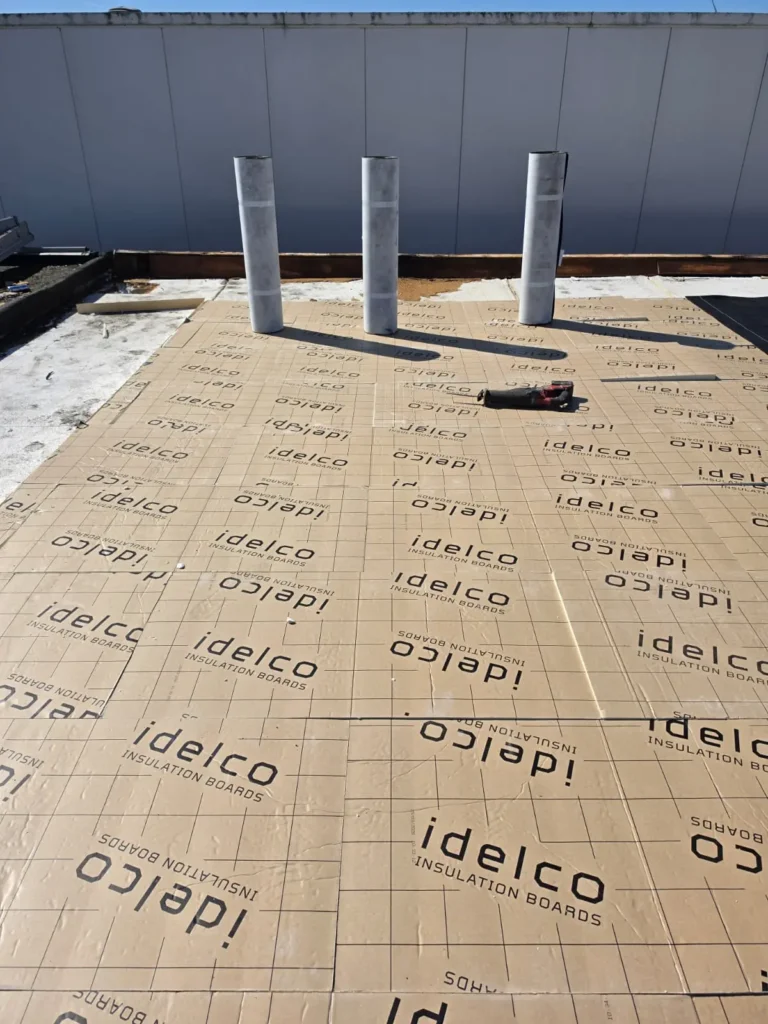
Rd. The thermal resistance of a single layer of material, for example the insulation board itself. This is the number printed on the product. For the ISDE it must be at least 3.5 m²K/W.
Rc. The thermal resistance of the whole construction: insulation plus boarding plus air layers plus finish. This is the number the building regulations are about, and it is always different from the Rd of the board.
Lambda. How well a material conducts heat. Lower is better. With a low lambda you need less thickness for the same Rd, and that is exactly why PIR can be thinner than mineral wool for the same performance.
U value. The inverse of R: how much heat does get through. Mainly used for windows and roof windows. Lower is better.
“The board says Rd. The building regulations say Rc. They are not the same, and the difference lies in the whole build-up.”
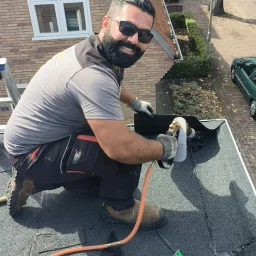
Fouad, owner of Astrodak Service
Which requirements apply when
That depends on what you are doing, and the distinction matters because it determines what is legally required of you.
New build. For a roof, a minimum Rc of 6.3 m²K/W applies under the Dutch Buildings (Living Environment) Decree (Besluit bouwwerken leefomgeving).
Regular maintenance. No insulation requirement. Relaying tiles or carrying out a repair does not bring any requirement with it.
Renewing part of the roof. If you renew part of the roof, a minimum Rc of 1.3 m²K/W applies to that part.
Major renovation. If more than a quarter of the building envelope is renewed or replaced, the new-build requirements apply: Rc 6.3 m²K/W.
What does insulating get you in your own house?
The benefit depends on the roof structure, the current insulation and how you use the space. I work it out for you in concrete terms during the inspection, including the grant you are entitled to.
Why hardly anyone sticks to the minimum
Because the difference between Rc 1.3 and a good insulation layer is mainly material thickness, and material is the smaller cost. You pay for the labour, the scaffolding and the stripping anyway, and those costs are the same for a thin or a thick layer.
On top of that, the ISDE requires an Rd of at least 3.5 for the insulation layer, which is already well above the legal minimum for partial renewal. So anyone who wants the grant automatically ends up quite a bit higher. See
grants for roof insulation.
Why the real-world value can be lower than on paper
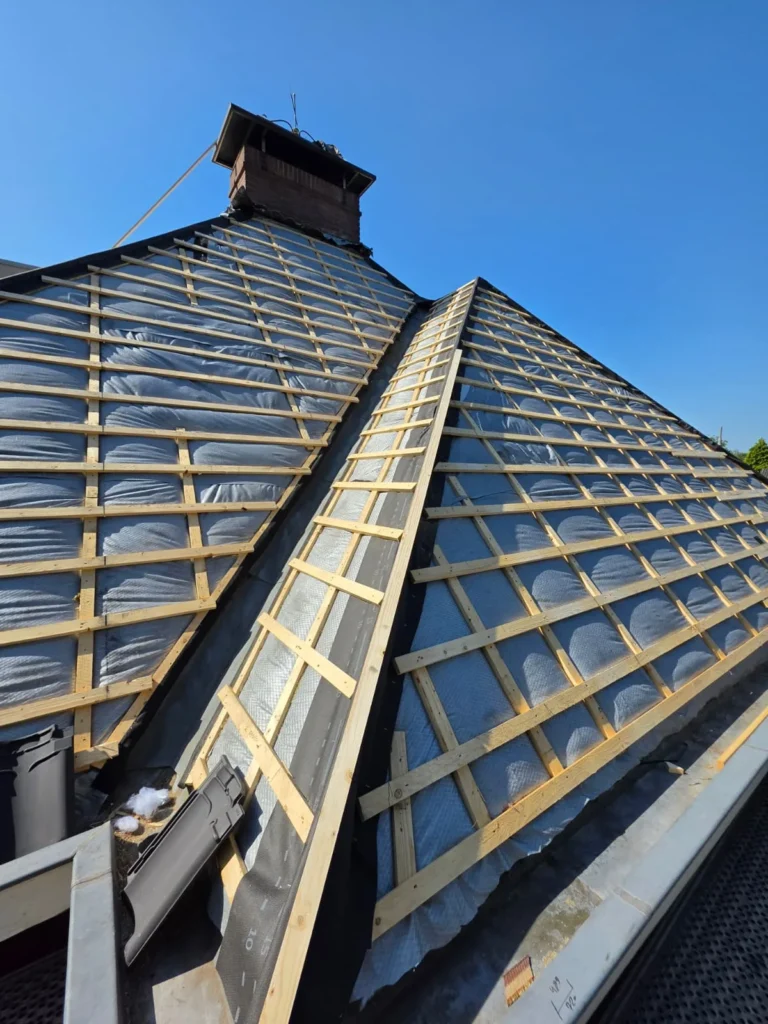
This is the point that gets mentioned least. A build-up with a calculated Rc of 6 performs considerably worse in practice if air can get past the insulation. Gaps at the wall plate, a seam in the vapour control layer, insulation that does not fit tightly between the rafters: each of those lets warm air through, and then the thickness suddenly matters much less.
Why you should not stick to the minimum
The legal minimum when renewing part of the roof is low, and there is hardly any reason to stay there. The difference between that minimum and a good insulation layer is mainly material thickness, and material is the smallest of the four cost items in a roofing job.
You pay for the labour, the scaffolding and the removal anyway, and those are the same for a thin or a thick layer. On top of that, the grant requires an insulation value well above that minimum, so anyone who wants the grant automatically ends up higher. See
grants for roof insulation.
Frequently asked questions about the Rc value