Zinc is one of those materials you need not worry about for decades, if it has been fitted properly and the water can drain away. That second part is the whole trick, and it is exactly where things go wrong in practice.
Below is the maintenance that really makes a difference, and the things zinc reacts badly to.
What determines the lifespan
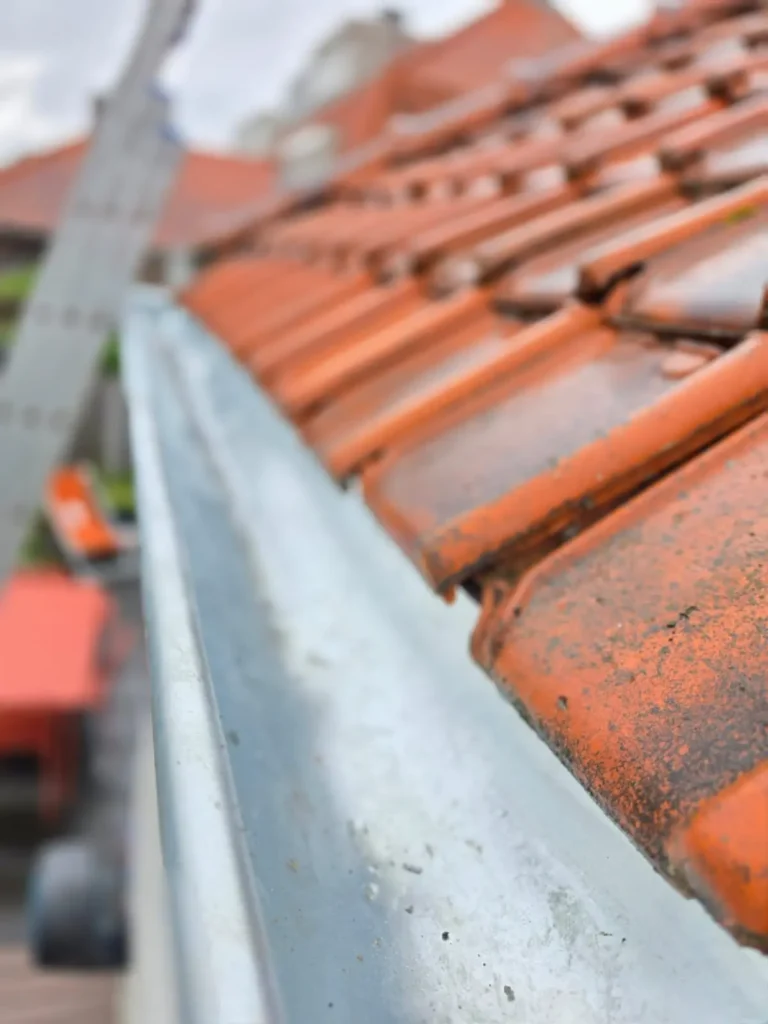
Whether the water drains away. Zinc that is permanently wet corrodes from both sides. Leaf sludge on the bottom of a gutter holds moisture against the zinc, and that is the most common cause of wearing through. See
the lifespan of a zinc box gutter.
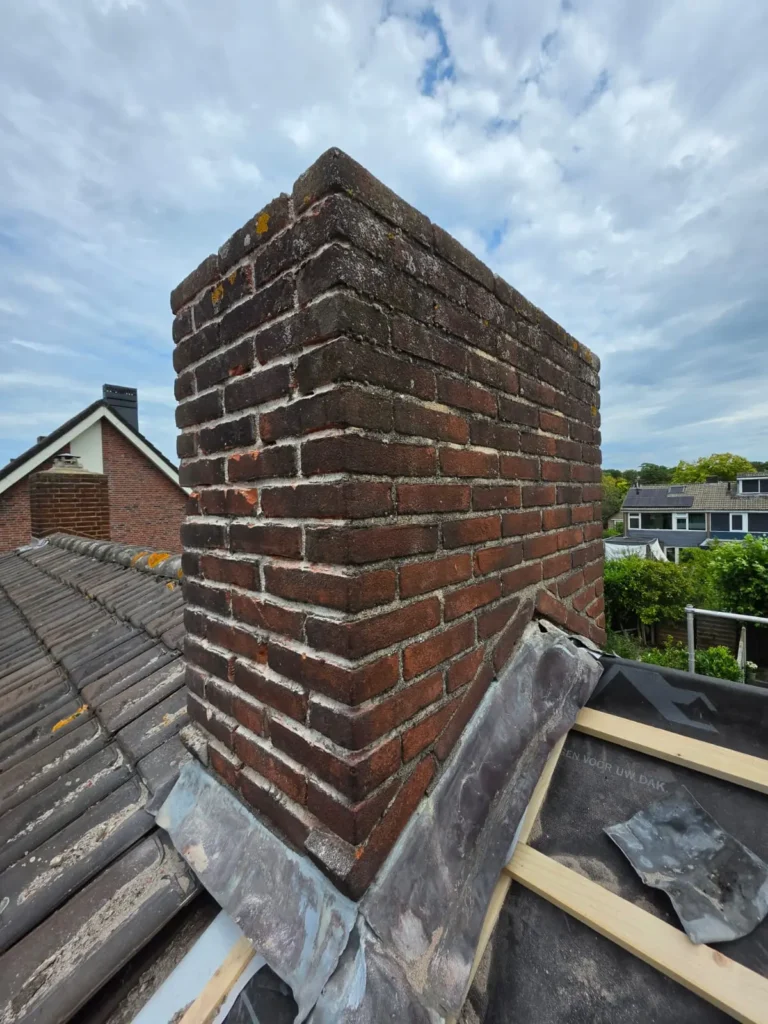
Whether it can move. Zinc expands with temperature, just like lead. Pieces fixed rigidly without room to move crack at the weak spot or pull a soldered seam open.
What is underneath. Zinc laid directly on the wrong base can be attacked from below. That is why a suitable separating layer belongs underneath.
What runs onto it from above. Water that reaches zinc via copper parts attacks the zinc. That combination does not belong on the same roof.
“Zinc does not need maintenance. It needs the water to run off, and that is not the same thing.”
Fouad, owner of Astrodak Service
The combination you must avoid
Copper and zinc. When water from a copper part ends up on zinc, it causes a reaction that attacks the zinc. It happens faster than people expect, and it is one of the few truly hard rules in roofing.
In practice it occurs with a copper pipe, a copper roof detail upstream of a zinc gutter, or sometimes with a makeshift repair. If you have a copper part on a roof with zinc gutters, that is the first thing to have checked.
Water that drains away
zinc lasts a long time
40 years or more
Water that stands
wearing through
at the bottom
Have it checked before it becomes a job
Most of the damage I repair was still a small fix a year earlier. Have your roof checked with no obligation and you will know exactly where you stand.
The maintenance that really makes a difference
Empty the gutters twice a year. In late autumn once the leaves have fallen, and in spring. This is the task with the biggest effect on the lifespan of all your zinc work. See
cleaning gutters.
Check the outlets. Where the gutter connects to the downpipe is where blockages start. A leaf guard or grille helps most here. See
gutter grille or leaf guard.
Check the soldered seams. With a gutter that is fifteen years old or more, take a quick look to see whether a seam is starting to leak anywhere. Soldered early, it is a repair. Soldered late, it is a replacement.
Put nothing heavy on zinc. No ladder against a zinc gutter, no weight on a zinc roof edge. Zinc is thin and deforms permanently.
What you should not do
High pressure. A high-pressure jet can punch through a spot that has worn thin or open up a soldered seam, and that is exactly what you do not want on an old gutter. See
roof tiles and the pressure washer.
And no aggressive cleaners or drain unblockers in a zinc gutter. The white film you sometimes see on zinc is the natural patina, and it actually protects the zinc. It does not need to come off.
When to have someone look at it
With a gutter that is twenty years old or more that you have never looked into, after a period of heavy leaf fall, and as soon as you see a damp patch anywhere under a gutter or near the eaves. At that point it is often still a soldering job.
Why you should not lean a ladder against zinc
Zinc in a gutter is thin, usually less than a millimetre. A ladder resting on the gutter edge at two points puts your whole weight on two small areas, and that deforms the zinc permanently. A deformed gutter edge then holds water at that spot.
So use a ladder stand-off or a support that puts the load on the fascia board or the roof edge instead of on the gutter itself. It is a small purchase, and it prevents damage that will not go away and that comes back years later as a worn-through spot.
Frequently asked questions about zinc work