A conversation that keeps coming up: someone calls about the gutter, and during the inspection it turns out the ridge tiles are loose and the lead at the chimney has had its day. Three jobs, three visits, three lots of equipment. Or one.
It is not a trick to sell extra work. It is arithmetic, and the outcome is usually clear.
Why the setup weighs so heavily
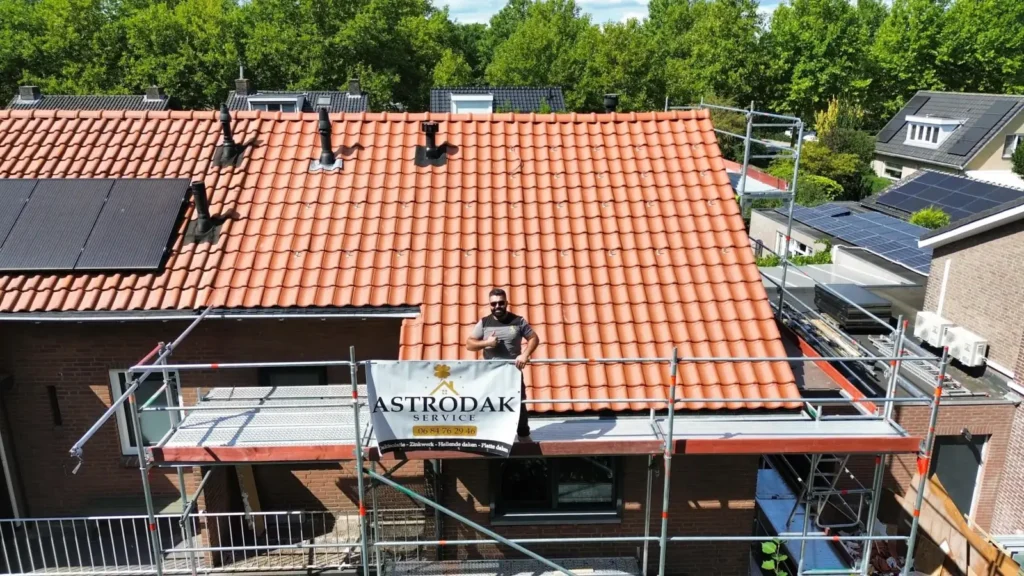
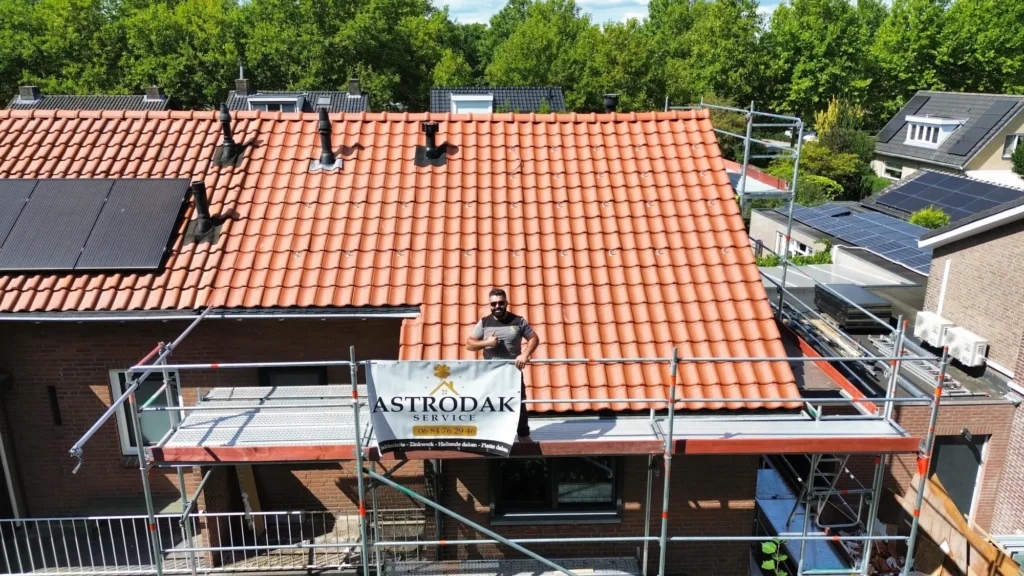
With roof work, a large part of the cost is not the work itself but making the work possible: putting up and taking down the scaffolding or cherry picker, bringing in material, cordoning off, clearing up, taking away waste. You pay for that per visit, not per job.
If there is scaffolding up for a tile replacement, including the
chimney, the
gutter, the fascia board and the
ridge tiles costs relatively little extra. If you do those jobs separately, you pay for that setup four times.
Work you should almost always include. Everything on the same roof slope that is due within five years: ridge tiles, leadwork, gutter protection profile, bird guard.
Work you can postpone. Parts with their own lifespan that still have plenty of life left, and work on the other side of the house for which the scaffolding has to be moved anyway.
Work you should not combine. A repair on a roof you want to replace in two years. Then you do the work twice.
Work with its own process. Asbestos removal and structural repair follow their own rules and schedule. You combine those in time, not in one contract.
“I always mention the whole roof, including what can still wait. Then you can make one choice instead of four.”
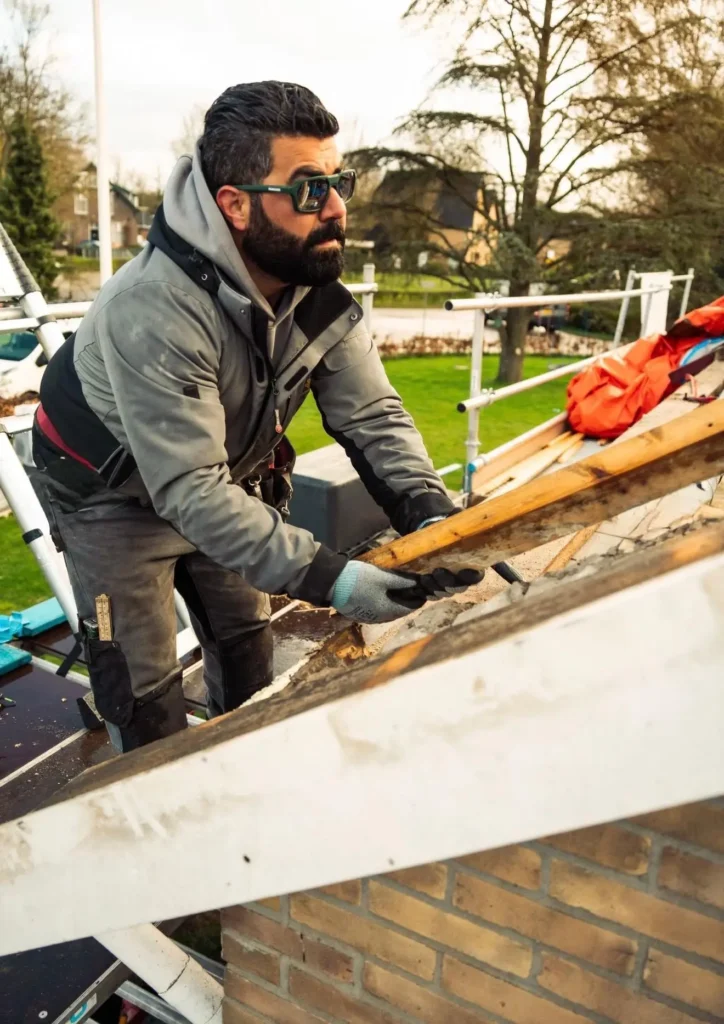
Fouad, owner of Astrodak Service
When phases do make sense
Sometimes spreading the work is simply the right choice, and then I say so. For example if the rear roof slope really has had its day and the front slope still looks good for another ten years. Or if you want to solve the urgent problem first and do the rest next year. That is fine; it just costs more over the long run.
What I do then is record what is still waiting and in which order it makes sense. Then the second phase is not a new investigation but an agreement.
Have it checked before it becomes a job
Most of the damage I repair was still a small fix a year earlier. Have your roof checked with no obligation and you will know exactly where you stand.
An example from practice
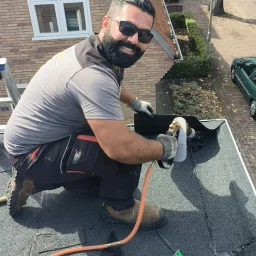
A house in Boxtel: we were called about a leaking valley gutter. During the inspection the valley gutter was indeed worn out, but the ridge tiles were also loose and the lead at the chimney was cracking. Three separate jobs, three lots of scaffolding, three times travel and clearing up.
Done in one go, the scaffolding stood for four days and all three weak spots were gone. Kept separate, they would have been tackled over a few years, each time with the full setup on the bill, and with the risk of a leak appearing in the meantime at a spot we had not got to yet.
Insulation is the clearest example
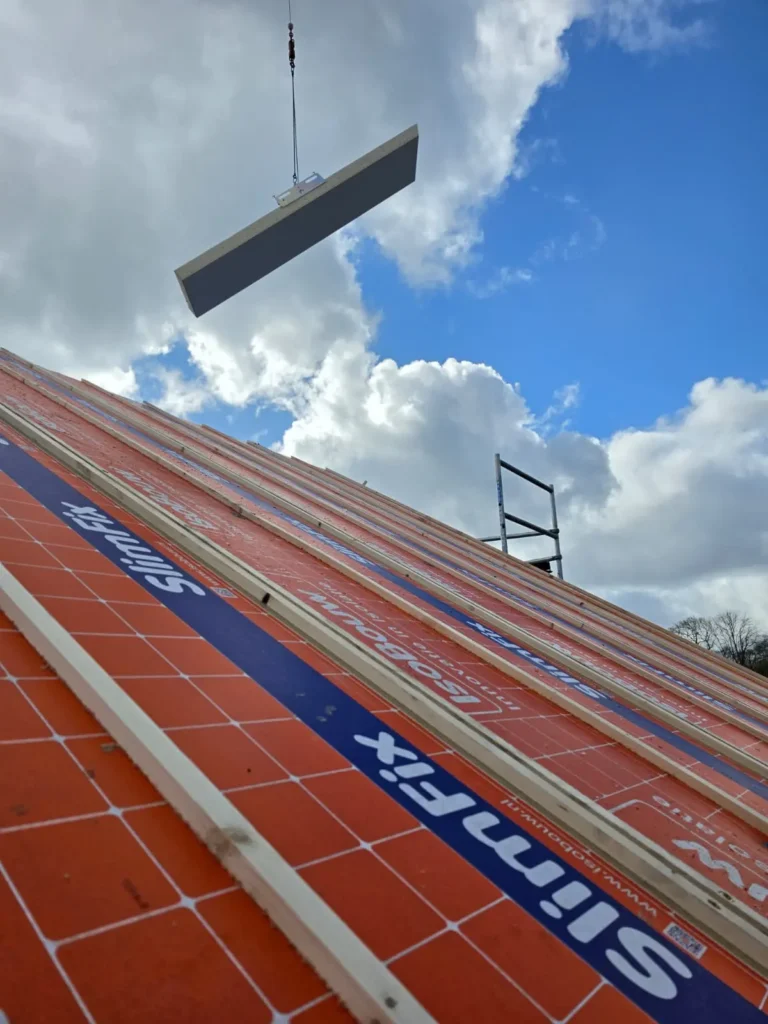
Of all the parts, roof insulation is where combining pays off most. If the roof is coming off anyway, the structure is open and the insulation is a matter of material and part of the labour. Done separately, you pay for stripping and scaffolding a second time, and then the sum suddenly looks a lot less attractive.
How we approach this
During the
free inspection I go over the whole roof, including the parts you did not call me about. The quote then states what is needed now, what you are best off including because the equipment is there, and what can safely wait. With those three categories you can decide for yourself, and that works better than a list where everything sounds equally urgent.
How to record a phased plan
If you choose to spread the work, it is wise to record what is still waiting and in which order. Otherwise the second phase in two years becomes a new investigation with a new assessment, and you lose what is known now.
What we give you for that is a short list of the parts, the condition we found them in and the order that makes sense. It is not a contract and not an obligation, but it means the next conversation is about carrying out the work and not about investigating again.
Frequently asked questions about phasing